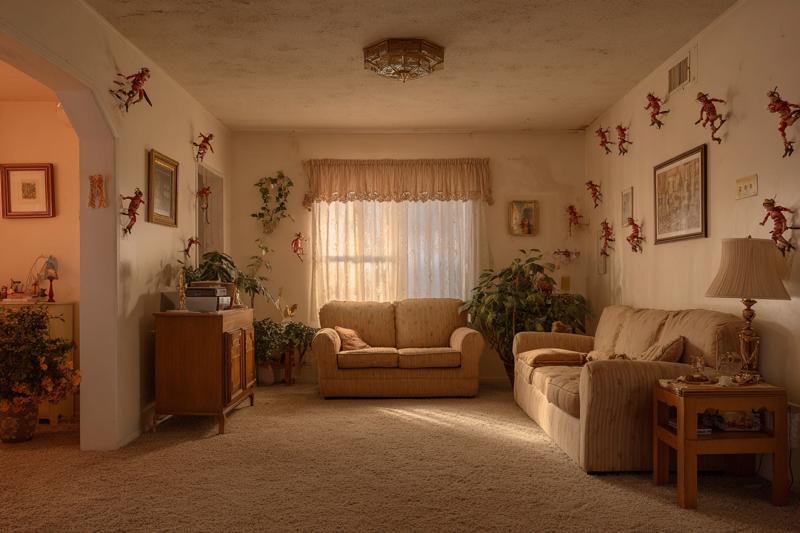
 A January 2026 BBC article alerted me to this incredible phenomon.
In parts of China, there is a wild mushroom that people eat for flavor, not enlightenment. However, a side-effecf of it is that if it is undercooked, some diners end up in the hospital with a very specific complaint: visions of tiny, elf-like figures running around on surfaces, climbing furniture, and generally acting like they pay no rent. This is not the usual “wow, the wallpaper is breathing” genre of mushroom incident.
What kind of mushroom does this?
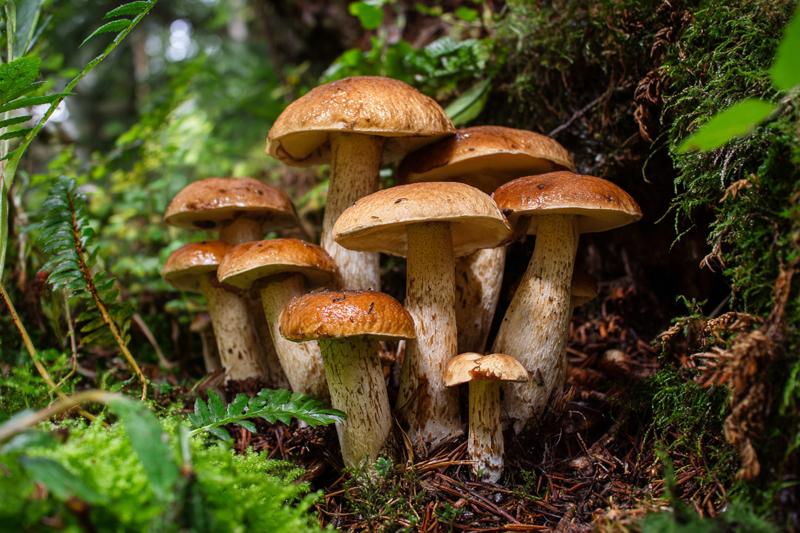
Lanmaoa asiatica is a bolete (family Boletaceae). Boletes are the chunky, cap-and-stem mushrooms that typically have pores underneath the cap instead of gills, and many form symbiotic (ectomycorrhizal) relationships with trees.
In Yunnan, it is associated with pine forests and is treated as a seasonal food, with the local knowledge of cooking it throughly to avoid the visions.
What’s actually happening in the brain?
The “tiny people” experience has a clinical name: lilliputian hallucinations, meaning vivid perceptions of miniature people, animals, or fantasy figures that appear integrated into the real environment. However, just giving something a name does not mean we understand it.
A 2021 systematic review assembled 226 case descriptions from the medical literature and found these so-called hallucinations are usually visual (sometimes multimodal), and are often perceived as “in the room,” not floating in an abstract dream space. The review in PubMed discusses mechanisms like perceptual release and deafferentiation, which are ways the brain can generate convincing imagery when normal sensory processing gets disrupted.
So the scientific hypothesis is that your visual system is a prediction machine. If you chemically shove it off its rails, it still predicts, just with less concern for your dignity. It’s kind of like an LLM.
Why do different people report similar “little people”?
If we both hallucinate visions of little people in our envionment, our visions will certainly be different. THey aren’t in this case and this is where scientists are stumped.
They’ve come up with a somewhat lame reason for this:
Our expectations and culture shape hallucination content. If everyone around you already “knows” this mushroom can produce little people, your brain gets a strong hint about what to generate once perception becomes unstable. There is evidence that prior beliefs and cultural context can influence hallucinatory experiences.
But this doesn’t explain why other hallucinations aren’t shared. What’s more interesting is that reasearchers at the University of Utah analyzing L. asiatica report finding no traces of known psychoactive compounds, suggesting the active ingredient might be something new. This is simply a way for them to say “we haven’t got a clue.”
The more likely alternative theory
There’s a more plausible explanation for this mysterious phenomenon, but one that so-called “scientists” refuse to consider: the elf-like figures are always around, and Lanmaoa asiatica contains some activating chemical that allows us to see them.
Although this hypothesis lacks evidence, it offers a clear explanation of why multiple viewers see the same creatures.
Under this worldview, the mushroom is not hallucinogenic. Scientists already established that it has no psychoactive compounds. Instead, it is a perceptual driver update. When fully cooked, you simply get dinner. When undercooked, the chemicals remain active and you get the hidden layer of reality where tiny citizens hold meetings on your countertop and then scatter when you look directly at them.
We refer to this as the Ambient Elf Hypothesis:
-
Elves are ubiquitous but normally invisible.
-
L. asiatica contains compounds that lower the brain’s sensory gatekeeping.
-
The brain, finally admitting defeat, renders the elf layer instead of throwing an exception.
Again, this is an alternative but more plausible theory. It contradicts the mainstream hypothesis that points to neurochemistry and perception, not a civilization of little squatters with impeccable parkour skills.
References
-
Colin Domnauer – The mushroom making people hallucinate …, University of Utah, School of Biological Sciences
-
‘They saw them on their dishes when eating’: The mushroom making people hallucinate dozens of tiny humans, BBC, Jan 22 2026.
-
Lanmaoa asiatica, wikipedia.
Disclaimer: Not everything you read on the web is accurate or even true. Always do your own research before treating something as fact — real research, not just a few YouTube videos or quick searches. Trust reputable sources, check the evidence, and read critically.